When it comes to constructing a safe, efficient, and comfortable building, the MEP Design Process plays a central role. MEP stands for Mechanical, Electrical, and Plumbing, the three technical systems that keep any residential or commercial project functional. From indoor air quality and lighting to drainage and water supply, these systems must be planned with precision from the very beginning.
Whether you are building a villa, apartment complex, office, retail unit, or industrial facility, understanding the MEP design workflow step by step can help reduce errors, improve energy performance, and streamline project execution. In this guide, we’ll walk through the complete process in a practical and easy-to-understand way.
What is the MEP Design Process?
The MEP Design Process is the structured planning and design of mechanical, electrical, and plumbing systems in a building. It ensures that all essential services are integrated efficiently into the architectural and structural layout.
A well-executed MEP design focuses on:
- Occupant comfort and safety
- Energy efficiency
- Compliance with local building codes
- Ease of maintenance
- Cost-effective construction and operation
For both residential and commercial buildings, MEP design is not just about placing ducts, pipes, and cables. It is about creating a coordinated system that supports the long-term performance of the building.
Why MEP Design Matters in Residential and Commercial Projects
Every building has different functional needs. A home may prioritize comfort, water efficiency, and smart lighting, while a commercial building may require advanced ventilation, emergency power systems, and larger-scale plumbing infrastructure.
A professional MEP Design Process helps:
- Prevent costly on-site clashes
- Improve construction scheduling
- Support sustainability goals
- Enhance indoor environmental quality
- Reduce operational and maintenance costs
This is why many developers and property owners work with experienced teams offering MEP design services in Dubai to ensure smooth project execution and code-compliant results.
Step-by-Step MEP Design Process
1. Project Understanding and Requirement Gathering
The first step in the MEP design workflow step by step is understanding the project requirements in detail. This stage sets the foundation for all future decisions.
What happens in this stage?
- Review of architectural and structural drawings
- Identification of building type and occupancy
- Understanding client expectations and performance goals
- Assessment of site conditions and utility availability
- Evaluation of local codes and authority requirements
For example, a luxury villa may need underfloor heating, landscape irrigation, and smart home electrical systems, while a commercial office may need centralized cooling, backup generators, and advanced fire protection.
This early coordination often involves architects, developers, and even structural consultants in Dubai to ensure all systems can be integrated without design conflicts.
2. Concept Design and System Selection
Once the project scope is clear, the next phase is conceptual planning. At this stage, engineers decide which types of MEP systems are most suitable for the building.
Mechanical planning includes:
- HVAC system type selection
- Ventilation strategy
- Equipment room placement
- Air distribution concepts
Electrical planning includes:
- Power source planning
- Main electrical room layouts
- Lighting concepts
- Low-current and safety systems
Plumbing planning includes:
- Water supply strategy
- Drainage concepts
- Water storage and pumping needs
- Firefighting system requirements
This is where the HVAC system design process begins to take shape. The design team evaluates whether the project needs split AC units, VRF systems, chillers, or centralized air handling systems depending on the building size and usage.
3. Load Calculations and Engineering Analysis
A major part of the MEP Design Process is performing technical calculations. These calculations ensure that systems are sized correctly and function efficiently.
Mechanical calculations may include:
- Cooling and heating load calculations
- Fresh air requirements
- Ventilation rates
- Equipment capacity selection
Electrical calculations may include:
- Power load calculations
- Demand estimation
- Voltage drop analysis
- Short circuit analysis
Plumbing calculations may include:
- Water demand estimation
- Pipe sizing
- Drainage flow calculations
- Pump head calculations
For example, Electrical system design in buildings must account for lighting, HVAC equipment, kitchen appliances, elevators, IT infrastructure, and backup systems. If these loads are underestimated, the building may face major operational problems later.
Similarly, proper Water supply and drainage planning ensures adequate water pressure, efficient wastewater flow, and compliance with health and safety standards.
4. Detailed Mechanical Design
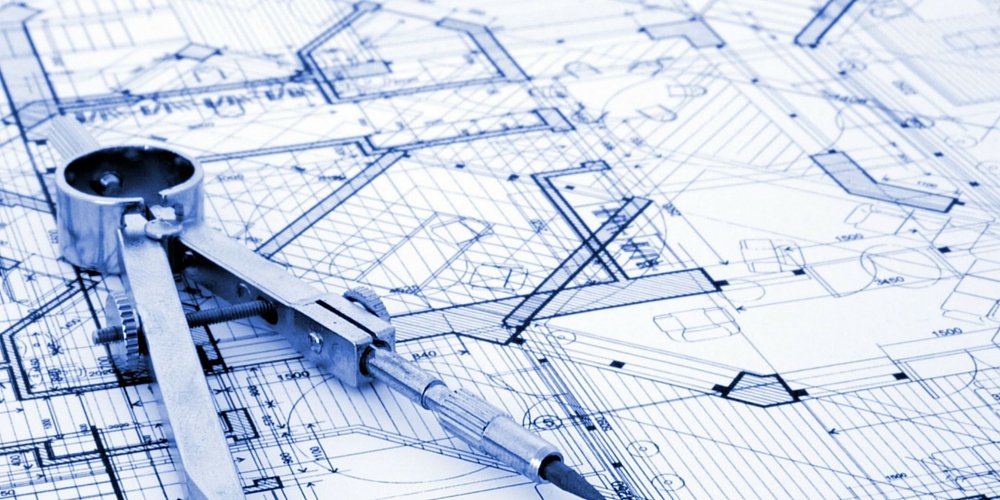
After conceptual planning and calculations, the mechanical engineering team develops the detailed system layout.
This stage includes:
- HVAC duct routing
- Equipment placement
- Ventilation design
- Exhaust systems
- Refrigerant piping layouts
- Mechanical room details
In residential projects, Residential HVAC planning tips often include optimizing duct routes, minimizing energy loss, and selecting systems that are quiet, efficient, and easy to maintain.
In commercial projects, the design becomes more complex due to:
- Higher occupant loads
- Larger cooling demands
- Zoning requirements
- Specialized ventilation systems
A proper HVAC system design process helps maintain thermal comfort while reducing long-term energy consumption.
5. Detailed Electrical Design
The next step is the detailed design of electrical systems. This includes both power and low-current systems.
Key design elements include:
- Lighting layouts
- Power outlet distribution
- Cable routing
- Distribution board schedules
- Emergency lighting
- Earthing and lightning protection
- Fire alarm and security systems
A strong Electrical system design in buildings ensures safe power distribution and user convenience. In commercial buildings, it also supports operational continuity, especially where critical equipment or data systems are involved.
This stage often requires close collaboration with architects and interior designers so that fixtures, switches, and panels are placed logically and aesthetically.
6. Detailed Plumbing Design
Plumbing is one of the most essential yet often underestimated parts of the MEP Design Process. It directly affects hygiene, convenience, and water efficiency.
Detailed plumbing design includes:
- Cold and hot water piping layouts
- Drainage and waste systems
- Vent piping
- Stormwater drainage
- Pump rooms and water tanks
- Firefighting and sprinkler systems
For villas and apartments, Plumbing system design for homes focuses on practical fixture placement, water pressure consistency, and efficient drainage. A good plumbing design should also make maintenance easier in the future.
For commercial buildings, designers also apply Commercial plumbing layout tips such as:
- Proper zoning of wet areas
- Efficient restroom planning
- Scalable water distribution systems
- Code-compliant drainage slopes and access points
This stage is especially critical for Water supply and drainage planning, as even small mistakes can lead to leakage, odors, low pressure, or costly repairs.
7. MEP Coordination and Clash Detection
This is one of the most important phases in the entire MEP design workflow step by step. Once mechanical, electrical, and plumbing layouts are complete, they must be coordinated with each other and with the architectural and structural design.
MEP coordination typically includes:
- Identifying clashes between ducts, pipes, and beams
- Adjusting ceiling space usage
- Aligning service shafts
- Coordinating plant room layouts
- Ensuring accessibility for maintenance
Strong MEP coordination in construction projects helps avoid expensive rework during execution. Today, many design teams use BIM (Building Information Modeling) to detect clashes before construction begins.
This is also why many developers prefer working with the top engineering consultants in Dubai, who can manage multidisciplinary coordination effectively and deliver practical, buildable designs.
8. Preparation of Drawings, Specifications, and BOQs
Once the coordinated design is approved, the engineering team prepares the final technical documents required for construction and tendering.
These typically include:
- MEP shop drawings
- Schematic diagrams
- Equipment schedules
- Technical specifications
- Bill of Quantities (BOQ)
- Material selection documents
This documentation ensures contractors understand exactly what needs to be installed and how. Clear drawings and specifications also improve pricing accuracy and reduce ambiguity during procurement.
A professional MEP Design Process does not end at conceptual ideas. It must result in precise documentation that supports real-world construction.
9. Authority Approval and Code Compliance
Before installation can begin, many projects require approval from local authorities and service providers. This stage ensures the design complies with legal and technical standards.
Compliance checks may include:
- Electrical safety codes
- Plumbing and drainage regulations
- Fire safety requirements
- Energy efficiency standards
- HVAC ventilation requirements
In markets like Dubai, working with qualified consultants is especially important because approval requirements can be highly specific. That’s why integrated support from MEP design services in Dubai can simplify the process and reduce delays.
10. Construction Support and Site Coordination
Even after the design is complete, the MEP team often remains involved during construction.
Their responsibilities may include:
- Reviewing contractor shop drawings
- Responding to site queries
- Inspecting installations
- Verifying material compliance
- Supporting testing and commissioning
This phase ensures that the design is translated correctly into execution. On-site coordination is essential because field conditions sometimes require small modifications without compromising system performance.
Common Mistakes to Avoid in the MEP Design Process
Even a technically sound design can fail if key issues are overlooked. Common mistakes include:
- Poor coordination between disciplines
- Undersized HVAC or electrical systems
- Inadequate drainage slopes
- Lack of maintenance access
- Ignoring future expansion needs
- Delayed MEP involvement in project planning
A successful MEP Design Process starts early and involves all stakeholders from the beginning.
Conclusion
The MEP Design Process is much more than a technical requirement. It is a critical part of creating buildings that are safe, functional, energy-efficient, and future-ready. From the HVAC system design process and Electrical system design in buildings to Water supply and drainage planning, every step contributes to the overall performance of the project.
For residential and commercial developments alike, following a structured MEP design workflow step by step can help minimize risks, control costs, and improve construction quality. With proper MEP coordination in construction projects, developers can avoid delays and ensure all systems work together seamlessly.