

Architectural design is more than just creating buildings it is the thoughtful process of shaping spaces where people live, work, and interact. From homes and offices to cultural landmarks and modern skyscrapers, architectural design combines creativity, functionality, and technical knowledge to transform ideas into physical structures. In today’s world, architectural design plays a crucial role in improving quality of life, sustainability, and aesthetic value.
This article explores what architectural design is, what do architectural designers do, and how concepts like architecture art design, modern architecture design, and architecture home design shape the built environment.
What is Architectural Design?
Architectural design is the planning and design process used by architects and designers to create buildings and structures that are functional, safe, visually appealing, and sustainable. It involves understanding a client’s needs, analyzing the site, and applying design principles to develop a structure that meets practical and artistic goals.
At its core, architectural design balances form and function. A building must look good, but it must also serve its purpose efficiently. This balance is what makes architectural design both a technical discipline and an art form.
What Do Architectural Designers Do?
Many people ask, what do architectural designers do, and the answer goes beyond drawing floor plans. Architectural designers are involved in every stage of a project, from concept to completion.
Their responsibilities typically include:
- Understanding client requirements and project goals
- Creating initial design concepts and sketches
- Developing detailed architectural drawings and 3D models
- Selecting materials, layouts, and structural elements
- Ensuring compliance with building codes and regulations
- Collaborating with engineers, contractors, and interior designers
Architectural designers also consider environmental factors, budget constraints, and future usability. Whether designing a home or a commercial building, their role is to create spaces that are efficient, safe, and visually inspiring.
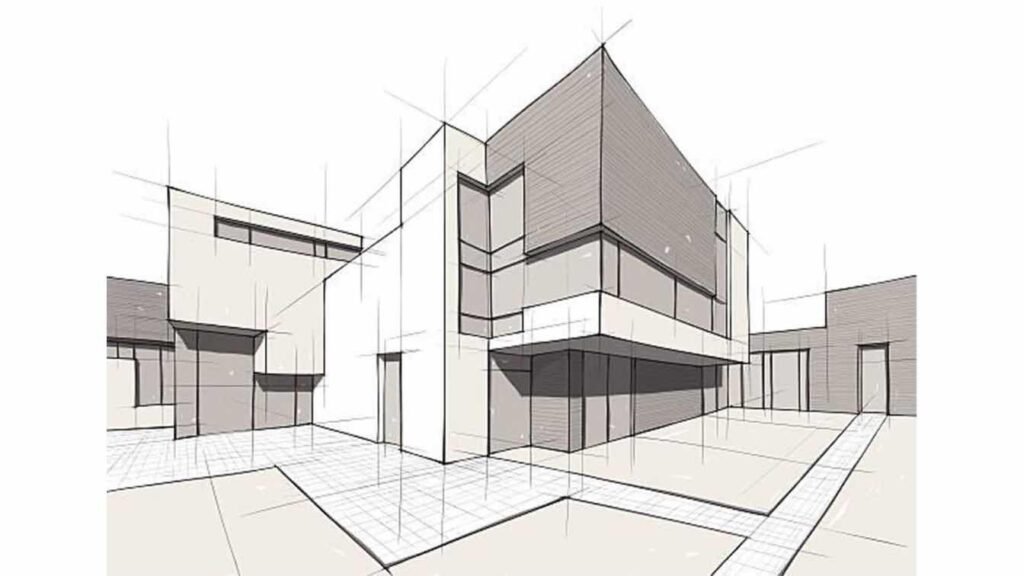
The Architectural Design Process
The architectural design process typically follows several key stages:
1. Concept Development
This is where ideas take shape. Designers create rough sketches and concepts based on the client’s vision and site conditions.
2. Schematic Design
Basic layouts, floor plans, and elevations are developed to define the overall structure and spatial organization.
3. Design Development
Details such as materials, finishes, and structural systems are refined.
4. Construction Documentation
Detailed drawings and specifications are prepared for construction.
5. Construction and Oversight
Designers may oversee the construction process to ensure the project follows the approved design.
This structured process ensures that architectural design is both creative and technically sound.
Architectural Design as Art: Architecture Art Design
Architecture has always been closely connected to art. Architecture art design focuses on the aesthetic and emotional impact of buildings. Iconic structures like museums, monuments, and historical buildings are examples of how architectural design can be a powerful form of artistic expression.
In architecture art design, elements such as:
- Shape and form
- Light and shadow
- Color and texture
- Symmetry and proportion
are carefully considered to evoke emotion and meaning. A well-designed building can inspire creativity, reflect cultural values, and become a symbol of a city or community.
Principles of Modern Architecture Design
Modern architecture design emphasizes simplicity, functionality, and innovation, values that are expertly delivered by the best architectural design company in Dubai. This design approach features clean lines, open floor plans, and minimal ornamentation, focusing on efficiency and the intelligent use of advanced materials and modern construction technologies.
Key characteristics of modern architecture design include:
- Open and flexible interior spaces
- Large windows and natural light
- Use of materials like glass, steel, and concrete
- Integration of indoor and outdoor spaces
- Sustainable and energy-efficient solutions
Modern architectural design also prioritizes smart layouts and eco-friendly construction, making buildings more adaptable to modern lifestyles.
Architecture Home Design: Creating Functional Living Spaces
Architecture home design focuses on designing residential spaces that are comfortable, practical, and visually appealing. A well-designed home considers how people move, live, and interact within the space.
Architectural home design includes:
- Efficient room layouts
- Natural lighting and ventilation
- Privacy and noise control
- Storage optimization
- Connection with outdoor areas
Today, many homeowners prefer designs that blend modern architecture design with personalized touches. This approach results in homes that are both stylish and functional, meeting the needs of modern families.
Conclusion
Architectural design is a powerful blend of creativity, engineering, and problem-solving. Understanding what architectural designers do helps us appreciate the complexity behind every building we use. From expressive architecture art design to functional architecture home design, and innovative modern architecture design, architecture shapes the way we live and interact with the world.
Frequently Asked Questions
What is architectural design in simple words?
Architectural design is the process of planning and designing buildings that are functional, safe, and visually appealing.
What do architectural designers do daily?
Architectural designers create building concepts, prepare drawings, choose materials, and work with engineers and clients to complete projects.
Is architectural design considered art?
Yes, architecture art design combines creativity and technical skill, making buildings both functional structures and artistic expressions.
What is modern architecture design?
Modern architecture design focuses on simplicity, open spaces, clean lines, and innovative materials with an emphasis on sustainability.